10 Best Aluminium Balustrades for Global Buyers?

Time:2026-09-10 Author:Henry
0%

Choosing the right Aluminium Balustrades system is rarely about appearance alone. Global buyers must consider safety, climate, installation quality, and long-term maintenance. A balcony beside the sea faces salt spray. A rooftop terrace in a cold region faces freezing moisture and thermal movement. These details can change the best product choice.

Gerrit Kolb, CEO of Q-railing, has stated, “Safety and design must work together.” That principle guides this review of the 10 Best Aluminium Balustrades for Global Buyers. Each option is considered for material quality, profile strength, corrosion resistance, finish durability, and compatibility with glass or cable infill. Practical features matter too. Drainage channels, concealed fixings, adjustable connectors, and replaceable components can influence the real ownership experience.

Not every attractive system performs equally well. Some polished finishes may show scratches quickly. Some lightweight profiles may complicate installation on uneven surfaces. A lower purchase price can also create higher fitting costs. We must admit one limitation: product performance depends heavily on local engineering practice and site conditions. No ranking can replace a qualified inspection.

This guide offers a realistic starting point. It compares systems for residential balconies, commercial terraces, staircases, and public-facing spaces. Regional requirements may differ, so buyers should verify applicable standards before ordering. Good aluminium balustrades should feel secure, align cleanly, and remain dependable after years of weather exposure. Small details matter. Perhaps more than expected.
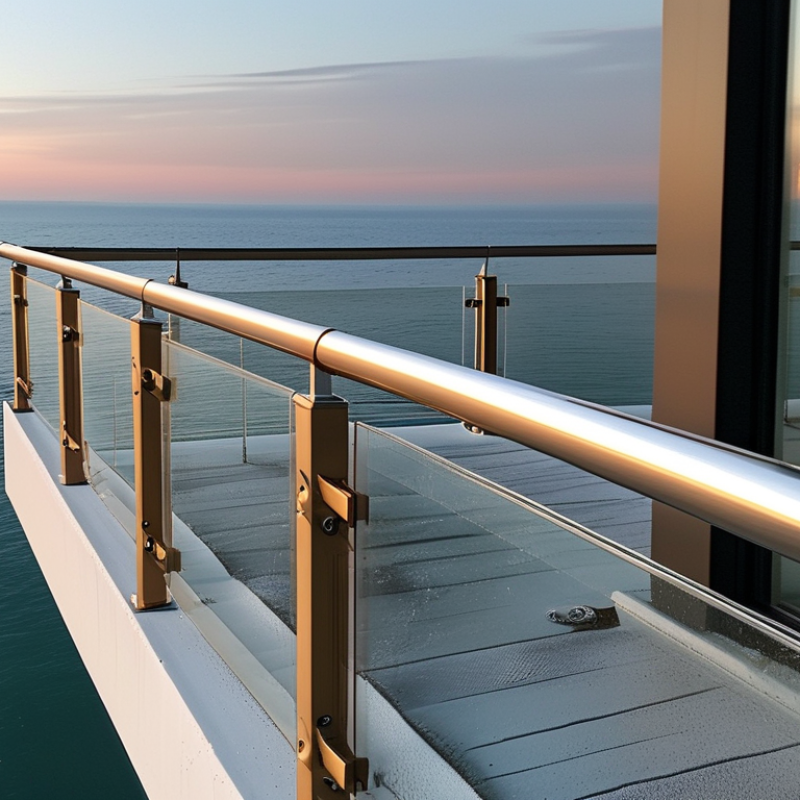
10 Best Aluminium Balustrades for Global Buyers?

Aluminium Balustrades: Definition, Uses, and Global Market Overview

Aluminium Balustrades: Definition, Uses, and Global Market Overview

Aluminium balustrades are protective railing systems made from extruded or cast aluminium components. They usually include posts, handrails, infill panels, and fixing brackets. Their main purpose is to reduce fall risks on balconies, stairways, terraces, ramps, and raised walkways. Aluminium offers low weight, useful corrosion resistance, and relatively simple installation. Powder-coated surfaces can provide colour stability and an easier cleaning routine. Still, coating quality matters. A poor finish may fade, blister, or scratch in demanding environments.

In practical projects, buyers should assess load requirements, span length, drainage, fastener compatibility, and maintenance access. Coastal buildings need stronger attention to salt exposure. Industrial sites may require more robust profiles and carefully selected joints. Glass, perforated panels, cables, and vertical bars create different visual and safety outcomes. Measurements also deserve patience. A few millimetres of error can complicate alignment across a long balcony. Installation experience often reveals problems that product brochures hide.

The global market is supported by residential construction, commercial renovation, hospitality projects, and infrastructure upgrades. Demand differs by region because climate, building practices, labour costs, and local technical rules vary. Buyers often compare aluminium with steel, stainless steel, or timber. Price alone can mislead. Shipping volume, protective packaging, surface treatment, and replacement parts affect the real purchase cost. I would not assume one design suits every market. That assumption can fail. Some suppliers provide reliable drawings, test data, and traceable material information, while others offer attractive samples with limited documentation. Careful buyers should request clear specifications before approving production.

10 Best Aluminium Balustrades for Global Buyers

Aluminium Balustrades: Definition, Uses, and Global Market Overview

Aluminium balustrades are railing systems made from aluminium posts, handrails, panels, or infill components for balconies, terraces, stairways, walkways, and commercial buildings. Aluminium has a standard density of approximately 2.70 g/cm³, making it substantially lighter than mild steel and stainless steel. Lower material density can support easier handling and installation, while the final system performance still depends on alloy grade, profile design, fasteners, surface finish, loading requirements, and local building regulations.

Reference values shown are standard nominal material densities at room temperature: aluminium 2.70 g/cm³, mild steel 7.85 g/cm³, and stainless steel approximately 8.00 g/cm³. Actual balustrade system weight varies with design and components.

Key Types of Aluminium Balustrades for Different Architectural Needs

Aluminium balustrades suit many architectural needs because the material is lightweight, corrosion-resistant, and easy to shape. For open balconies, glass-infill systems preserve views while aluminium posts provide dependable structure. Frameless designs look cleaner, but they demand accurate fixing and careful glass specification. A small installation error can become obvious.

Vertical picket balustrades work well on family homes, schools, and shared buildings. Their spacing supports visibility and airflow while reducing climbing risks when designed to local requirements. Horizontal slat systems create a stronger architectural rhythm. They suit terraces, staircases, and modern façades, although dust can collect on wide slats. Cable-infill balustrades offer a slim appearance for coastal homes and contemporary stairs. Their tension needs periodic checking.

Privacy is often more important than openness. Perforated aluminium panels or solid screen balustrades can shield balconies from wind and nearby windows. They also create useful shade. In exposed locations, designers should check wind pressure, drainage, coating quality, and galvanic separation from other metals. Marine air is unforgiving. Powder-coated finishes may perform well, but preparation and edge protection still matter. Wall-mounted handrail systems save floor space on narrow stairs, while post-mounted systems provide more flexible alignment. On site, the best-looking option can fail when anchors meet weak masonry or uneven slabs. A practical design leaves room for inspection, cleaning, and replacement.

How to Evaluate Safety, Design, Durability, and Maintenance

10 Best Aluminium Balustrades for Global Buyers?

How to Evaluate Safety, Design, Durability, and Maintenance

A reliable aluminium balustrade begins with tested performance, not attractive photographs. Ask for structural calculations, alloy details, fastener specifications, and independent load-test results. Local building codes differ, so confirm line loads, opening limits, and guard height with a qualified engineer. EN 1991-1-1, AS/NZS 1170.1, and ICC guidance provide useful reference points, but they are not interchangeable. Check the actual project location.

Safety is visible in small details. A rigid top rail should not flex noticeably under hand pressure. Posts need secure anchoring into concrete, steel, or engineered timber. Avoid systems that hide weak base plates behind decorative covers. Design matters too. Slim profiles suit modern balconies, while wider rails feel more comfortable on stairs. Request finish samples after outdoor exposure, not only studio samples. Coating quality can change dramatically near saltwater. It can fail early.

Durability depends on drainage, alloy selection, and surface treatment. The NACE IMPACT Study estimated global corrosion costs at about US$2.5 trillion annually, or 3.4% of global GDP. That figure includes many industries, but it shows why neglected joints become expensive. The International Aluminium Institute reports that recycling aluminium can save up to 95% of primary production energy. Ask whether recycled content affects strength or certification. Maintenance should be simple: rinse coastal installations regularly, inspect fasteners twice yearly, and replace damaged seals. I would not trust a “maintenance-free” claim without written test evidence.

International Standards, Certifications, and Installation Requirements

10 Best Aluminium Balustrades for Global Buyers?

For global buyers, aluminium balustrade selection begins with local performance requirements. Check the building type, occupancy, wind exposure, and balcony height. European projects may reference EN 1991 and EN 1999, while Australian projects often follow AS/NZS 1170.1. North American work may use IBC or local building codes. These references do not create one universal solution. Confirm design loads with a qualified local engineer.

Request traceable alloy details, fabrication records, coating specifications, and structural test reports. Relevant certifications may include CE documentation where applicable, quality-management records, and recognised powder-coating approvals. However, ISO certification alone does not prove product strength. A certificate can mislead. Test evidence should identify the exact profile, glass type, fixing method, and tested load. Ask whether the report covers static pressure, impact, and corrosion exposure.

Installation quality often determines real performance. Inspect concrete edges before drilling. Record anchor type, embedment depth, spacing, and tightening torque. Keep aluminium isolated from incompatible metals in coastal environments. Seal penetrations carefully, but allow drainage where the design requires it. Installers should follow approved drawings and local safety rules. On-site inspections or proof-load tests may be required. Small errors matter. A beautiful balustrade can still fail when the substrate, fasteners, or drainage details receive less attention than the visible finish.

Comparing the 10 Best Aluminium Balustrades for Global Buyers

Comparing the 10 Best Aluminium Balustrades for Global Buyers

Global buyers should compare more than appearance. The strongest choice depends on wind exposure, maintenance access, installation skill, and local building rules.

The ten leading formats include:

vertical picket horizontal rail framed glass frameless glass cable perforated panel louvered privacy screen modular stair poolside systems

Picket balustrades offer low cost and reliable airflow. Framed glass gives clearer views, while cable systems suit contemporary decks. Frameless glass looks lighter, but it demands precise fixings and frequent cleaning. Every advantage has a trade-off.

Material Evidence and Coating Standards

Material evidence matters. The International Aluminium Institute reports that recycled aluminium uses about 5% of the energy required for primary aluminium production. This supports systems using verified recycled content, although recycled content alone does not prove durability.

A practical comparison should check alloy grade, coating thickness, fastener compatibility, drainage, and replacement access. The AAMA 2604 and 2605 coating specifications are useful reference points for exterior powder coatings. However, certification does not remove installation risks. Poor sealing can still allow corrosion around cut edges.

Coastal Performance and Installation Considerations

For coastal homes, powder-coated pickets and perforated panels usually outperform untreated cable fittings. Cable looks elegant. It can also reveal tension problems quickly.

Glass systems provide stronger visual openness, yet cracked or poorly supported panels create costly maintenance concerns. Modular stair balustrades simplify transport and replacement, especially for international projects.

Privacy screens protect occupants from wind and sightlines, but they may increase structural loads. The Global Aluminium Extrusion Market reports steady demand growth, but market growth does not guarantee product quality. Buyers should request test reports, installation drawings, warranty limits, and salt-spray results before choosing among the ten formats.

FAQS

: What are aluminium balustrades?

: They are protective railing systems made from aluminium posts, handrails, panels, and fixing brackets. They help reduce fall risks.

Where are aluminium balustrades commonly used?

They suit balconies, stairs, terraces, ramps, raised walkways, and poolside areas. Different locations require different safety checks.

Why is aluminium used for balustrades?

Aluminium is lightweight, shapeable, and generally resistant to corrosion. Installation can also be relatively simple.

Are aluminium balustrades maintenance-free?

No. Surfaces need cleaning, fasteners need checking, and cable systems need tension inspections. Salt air can accelerate problems.

Which balustrade style suits a balcony with an open view?

Glass-infill systems preserve views while providing structured support. Frameless designs look lighter, but they demand very accurate fixing.

Which design offers more privacy?

Perforated panels, solid screens, and louvered systems can block sightlines. They may also provide shade and reduce wind exposure.

What should coastal buyers check?

Check coating preparation, edge protection, drainage, fasteners, and contact between different metals. Marine air is unforgiving.

How should global buyers compare different systems?

Compare alloy information, coating quality, load data, drawings, replacement access, and installation requirements. Price alone can mislead.

What installation problems can occur?

Weak masonry, uneven slabs, incorrect measurements, and poor anchors can disrupt alignment. A few millimetres may matter.

Are recycled aluminium systems automatically better?

No. Recycled content can reduce production energy, but it does not prove durability or safe installation. That assumption needs checking.

Conclusion

Aluminium Balustrades are versatile architectural systems used for balconies, stairways, terraces, ramps, and public or commercial spaces. This article explores their main benefits, including lightweight construction, corrosion resistance, design flexibility, and relatively low maintenance. It also compares key types, such as glass-filled, vertical bar, horizontal rail, privacy, and customized systems, helping global buyers identify suitable solutions for different building styles, climates, and functional requirements.

The guide explains how to evaluate safety, structural strength, appearance, durability, cleaning needs, and long-term performance before purchasing. It also highlights the importance of checking applicable international standards, material quality, load capacity, surface treatments, certifications, and professional installation requirements. By comparing ten leading solution categories, readers can make informed decisions based on project conditions, budget, design goals, local regulations, and expected service life.


Henry

Henry

Henry is a dedicated marketing professional with a profound expertise in the company's offerings. With years of experience in the industry, he possesses an impressive understanding of the market dynamics and consumer behaviors that drive success. Henry is committed to sharing his insights through......