Global construction is demanding lighter, longer-lasting, and lower-maintenance railing systems. Aluminum Balustrade products increasingly meet these needs across residential, commercial, hospitality, and infrastructure projects.
The International Aluminium Institute reported global primary aluminum production above 70 million tonnes in 2023. This scale supports broad material availability and a mature international supply chain. Grand View Research also identifies construction as a major aluminum-consuming sector. Its market analysis projects continued growth through 2030, driven by urban development and material efficiency. These figures do not measure balustrades directly. However, they reveal the industrial foundation behind this product category.
Quality varies sharply between suppliers. Experienced buyers should examine alloy selection, wall thickness, welding quality, drainage design, and surface treatment. Common architectural alloys include 6063-T5 and 6063-T6, but specifications must match structural requirements. Powder coating should include documented pretreatment and recognized performance standards, such as AAMA 2604 or AAMA 2605, where applicable. Load testing should follow the project’s governing regulations, including relevant EN, BS, ASTM, or local standards.
Certification alone is not enough. That gap matters. Buyers should request batch records, test reports, installation drawings, warranty terms, and project references. The strongest suppliers explain limitations instead of promising universal compliance. No ranking is flawless. Factory visits, sample inspections, and independent verification remain valuable, especially when purchasing across borders. This guide compares leading Aluminum Balustrade suppliers through manufacturing capability, technical documentation, customization, delivery reliability, and after-sales support. The goal is practical selection, not simply the lowest quotation.
What Defines a Reliable Aluminum Balustrade Supplier
Reliable aluminum balustrade suppliers prove more than competitive pricing. They show how products perform after installation. Experienced teams can explain alloy selection, wall thickness, finish durability, and connection design. Ask for project drawings, test records, and clear load assumptions. Vague answers deserve caution.
A dependable supplier checks dimensions before production. They confirm post spacing, anchor positions, glass or panel compatibility, and drainage details. Good technical staff review unusual corners rather than forcing standard parts. Samples should reveal clean welds, even powder coating, and protected edges. Small defects matter. They can become corrosion points. For global buyers, secure export packaging and accurate shipping documents are equally important.
Reliability also appears in communication. The supplier should provide realistic lead times, inspection photos, packing details, and replacement procedures. Independent quality checks add useful evidence, especially for large projects. Still, no supplier is perfect. A promised schedule may slip, and a sample may not represent every batch. I would request a written inspection plan and approve a pre-production sample. That extra step feels slow, but it can expose weak details before containers leave the factory.
Key Product Types and Design Options for Global Projects
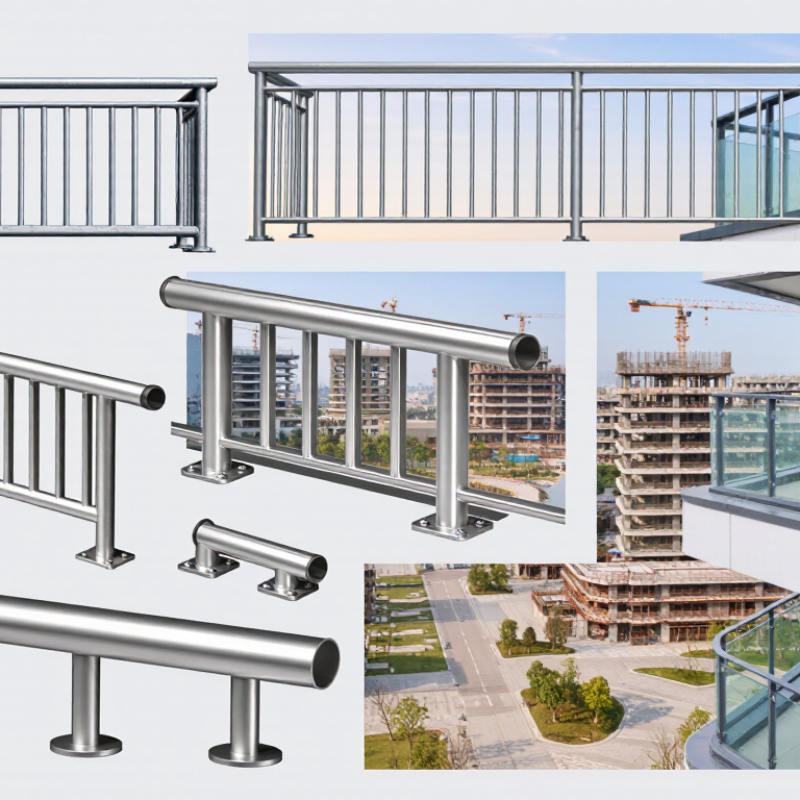
Global buyers usually compare aluminum balustrades by system type, finish, and installation demands. Glass-filled systems create open views for balconies, hotels, and coastal residences. Frameless glass offers a clean appearance, but it needs precise base channels and drainage. Picket or vertical-bar systems suit terraces, stairs, and public walkways. They provide a more familiar visual rhythm. Perforated panels add privacy and can support modern architectural themes. However, panel spacing may affect airflow, cleaning, and visibility.
Design choices extend beyond appearance. Buyers can select round, square, or slimline posts, with matching handrails and concealed fixings. Powder-coated finishes offer broad color choices, while anodized surfaces provide a metallic appearance. Wood-effect finishes may suit hospitality projects, but sample approval is essential because screen colors can mislead. Experienced suppliers should provide load data, material specifications, finish warranties, installation drawings, and corrosion guidance. These documents help engineers review the system before ordering.
Tips: Request full-size samples, not only digital images. Confirm dimensions in millimeters and verify local wind and safety requirements with a qualified professional. Ask whether the system is tested as a complete assembly, including posts, fixings, infill, and handrail. Coastal sites need special attention to salt exposure and fastener compatibility. A small design change can alter installation time. That detail is easy to underestimate. Suppliers with practical site experience may identify drainage, leveling, and access problems earlier, although no standard system fits every project perfectly.
Material Standards, Safety Codes, and Quality Certifications
Global buyers should evaluate aluminum balustrade suppliers through evidence, not polished catalogs.
A dependable supplier identifies alloy grades, temper, wall thickness, and protective finish. Common choices include 6063-T5 or 6061-T6, but suitability depends on loading and exposure. Ask for mill certificates with heat numbers and traceable batch records. Salt-air projects need careful coating selection. Powder coating should show tested adhesion, color retention, and corrosion resistance. An attractive finish can still hide weak metal or poor preparation. This is where technical review matters.
Safety codes vary by project location, building type, and installation height.
They may control guard height, opening size, handrail continuity, and line loads. European projects may reference EN standards, while North American work often uses ASTM and local building codes. The supplier should provide tested load data for posts, brackets, and fixings. Do not accept a generic “meets international standards” statement. Request test methods, laboratory details, dates, and sample configurations. A small drawing can expose a serious mismatch. Site measurements remain essential.
Quality certifications can strengthen confidence, but they require verification.
ISO 9001 indicates a managed quality system, not automatic product safety. Look for factory audits, inspection plans, nonconformance records, and final packing checks. Independent testing is more persuasive when the report identifies the exact profile and assembly. Check certificates with issuing bodies where possible. Packaging also shows experience: corner protection, moisture barriers, labels, and replacement part records reduce transit damage. Some suppliers still provide incomplete documents. That weakness deserves written correction before purchase.
How to Compare Manufacturing Capacity, Pricing, and Lead Times
Top Aluminum Balustrade Suppliers for Global Buyers
Comparing suppliers begins with manufacturing capacity, not catalogue variety. Ask for monthly output, active production lines, and recent project references. A capable factory should explain its extrusion, cutting, welding, finishing, and packing processes clearly. Request quality records, material certificates, and photos from live production areas. A polished website proves little. Factory evidence matters more. I have found that smaller suppliers can deliver excellent work, but their capacity may change quickly during peak seasons.
Pricing requires more than comparing one railing price. Check aluminum alloy, wall thickness, surface treatment, fittings, packaging, and export documentation. Ask for a detailed quotation with currency, minimum order quantity, payment terms, and validity period. Powder coating may look inexpensive until color matching and extra protection are added. Freight, customs charges, and local handling can also reshape the final cost. Some buyers focus too heavily on the lowest offer. That decision can become expensive after rework or damaged cartons.
Tips: Request a sample before mass production. Confirm tolerances in writing. Ask whether quoted lead times include finishing and packing. A realistic schedule should separate production days from shipping days. Leave a small buffer for design changes, inspection delays, or port congestion. Do not assume a supplier’s best month represents normal performance. Compare at least three quotations using the same specifications, then challenge unclear figures politely. Mistakes still happen, even with careful suppliers. Reliable communication helps expose them early.
Top Aluminum Balustrade Suppliers for Global Buyers - How to Compare Manufacturing Capacity, Pricing, and Lead Times
| Anonymous Supplier Profile |
Primary Manufacturing Region |
Estimated Monthly Output
(Metric Tons) |
Standard System Price
(USD/meter) |
Custom Design Price
(USD/meter) |
Sample Lead Time
(Days) |
Bulk Production Lead Time
(Days) |
Common Alloy Grades |
Surface Finishes |
Typical Export Documents |
Best Fit for Global Buyers |
| Profile A — High-Capacity Extrusion Specialist |
East Asia |
800–1,500 |
$45–75 |
$70–120 |
10–18 |
25–40 |
6063-T5, 6061-T6 |
Anodized, powder coated |
Commercial invoice, packing list, certificate of origin, mill certificate |
Large residential and commercial projects |
| Profile B — Architectural Customization Factory |
South Asia |
250–600 |
$55–90 |
$90–160 |
15–25 |
35–55 |
6063-T5, 6060-T6 |
Wood-effect, anodized, PVDF |
Invoice, packing list, inspection report, test report |
Projects requiring bespoke profiles and colors |
| Profile C — Mid-Volume OEM Partner |
Southeast Asia |
180–450 |
$50–85 |
$85–145 |
14–24 |
30–50 |
6063-T5, 6005A-T6 |
Powder coated, anodized |
Invoice, packing list, certificate of origin, quality report |
Private-label distributors and repeat orders |
| Profile D — Premium European Fabricator |
Western Europe |
80–220 |
$120–220 |
$180–350 |
15–30 |
40–70 |
6063-T5, 6082-T6 |
Anodized, powder coated, brushed |
CE-related technical file, declaration of performance, test report |
High-end architectural and short-distance supply |
| Profile E — Stock-Based Fast-Delivery Supplier |
North America |
60–180 |
$95–180 |
$150–280 |
5–14 |
14–35 |
6063-T5, 6061-T6 |
Powder coated, mill finish |
Invoice, packing list, compliance documentation |
Urgent replacement work and local stock replenishment |
| Profile F — Small-Batch Engineering Workshop |
Middle East |
30–100 |
$80–150 |
$130–240 |
18–30 |
45–75 |
6063-T5, 6061-T6 |
Powder coated, anodized |
Invoice, packing list, material certificate, inspection report |
Low-volume projects and difficult site conditions |
Buyer comparison note: Price ranges are typically affected by alloy grade, profile weight, glass or infill specification, finish, packaging, order quantity, Incoterms, destination, and required testing. Confirm current capacity, compliance documents, tooling charges, freight, taxes, and production dates through a written quotation before placing an order.
Shipping, Customization, and After-Sales Support for International Buyers
International buyers need more than attractive aluminum balustrade photos. A reliable supplier should explain alloy grade, coating options, load testing, and production tolerances. Ask for recent project evidence, inspection records, and clear drawings before placing an order. Experience matters most when balcony dimensions vary across buildings. Small measurement errors can create expensive installation delays. This detail is often underestimated.
Shipping requires practical planning from factory to site. Suppliers should confirm packing methods, carton dimensions, gross weight, and port responsibilities in writing. Strong protective wrapping, corner guards, and moisture control reduce damage during long sea routes. Request a pre-shipment inspection with photographs. Customs paperwork must match the commercial invoice, packing list, and product description. Delivery dates still move sometimes. Weather, port congestion, and document corrections can affect schedules, so buyers should keep installation teams flexible.
Customization should cover post spacing, handrail profiles, finishes, mounting plates, and unusual angles. A professional supplier reviews drawings with engineers instead of accepting every request blindly. Ask for samples, color references, and a written approval process. After-sales support should include installation guidance, replacement procedures, and a named contact. Response times should be measurable, not simply described as “fast.” One weakness remains common: some suppliers promise complete support but provide little help after payment. Buyers should test communication before ordering and record every technical decision. This simple check can reveal gaps early.
Aluminum Balustrade Purchasing Benchmarks for Global Buyers
Typical planning ranges for production, customization, international shipping, and after-sales support. These benchmarks are supplier-neutral and should be confirmed for each project.
Planning reference: production and ocean-freight timelines vary by order volume, destination, port congestion, documentation, and customization complexity.
FAQS
A reliable supplier explains alloy grade, wall thickness, finish durability, and connection design. Vague answers deserve caution. Ask for drawings, test records, and load assumptions.
Confirm post spacing, anchor positions, panel compatibility, and drainage details. Measure twice. Unusual corners may need custom review instead of standard parts.
Inspect full-size samples for clean welds, even coating, and protected edges. Small defects matter. Exposed edges can become corrosion points after installation.
Glass systems preserve open views on balconies and terraces. Vertical bars create a familiar appearance for stairs and walkways. Perforated panels add privacy but may reduce airflow and visibility.
Compare round, square, and slimline posts with matching handrails. Powder-coated finishes offer many colors. Anodized surfaces provide a metallic appearance, while wood-effect finishes require physical sample approval.
Request material specifications, load data, installation drawings, finish warranties, and corrosion guidance. Digital images are not enough. Mill certificates and traceable batch records provide stronger evidence.
Confirm guard height, opening size, handrail continuity, and line-load requirements locally. Do not accept “international standards” alone. Request test methods, laboratory details, dates, and complete assembly configurations.
Look for corner protection, moisture barriers, clear labels, and accurate shipping documents. Replacement procedures should be written. Lead times can slip, even with careful planning. A pre-production sample and inspection plan may prevent costly surprises.
Conclusion
Choosing a reliable Aluminum Balustrade supplier is essential for the safety, appearance, and long-term performance of global construction projects. A dependable supplier should offer a broad range of product types, including glass, cable, picket, and solid-panel systems, with design options that suit residential, commercial, and outdoor applications. Buyers should also evaluate the use of corrosion-resistant materials, accurate fabrication, consistent quality control, and compliance with relevant material standards, safety codes, and internationally recognized certifications.
When comparing suppliers, global buyers should review manufacturing capacity, production technology, pricing transparency, and realistic lead times. The ability to provide customized dimensions, finishes, mounting solutions, and technical drawings can simplify project coordination. Efficient international shipping, secure packaging, clear documentation, responsive communication, and dependable after-sales support are equally important. By assessing these factors together, buyers can select a supplier capable of delivering safe, durable, attractive, and cost-effective balustrade solutions for projects in different markets.

 Qianyu