Choosing an Aluminum Handrail manufacturer is not simply a pricing exercise. Global buyers must examine alloy grade, wall thickness, surface treatment, load performance, and production consistency. A polished sample can look excellent while hiding weak welds or uneven anodizing. Details matter.
Aluminum railing consultant Mark A. Garrison offers a useful reminder: “A handrail earns trust through the details users rarely notice.” That principle shapes this guide. The featured manufacturers are considered through practical buyer concerns, including extrusion capability, custom fabrication, finishing options, packaging, export experience, and quality documentation. Their ability to support balconies, stairs, ramps, terraces, and commercial facilities also deserves attention.
Performance comes first.
Aluminum Handrail systems should feel secure, resist weather exposure, and remain comfortable under daily contact. Marine environments require special care. Salt air can challenge finishes, fasteners, and connections, even when the aluminum itself performs well. Buyers should request test reports, coating specifications, installation drawings, and references for comparable projects. Certifications should be checked against the destination market, not assumed from a sales brochure.
This list is not perfect. Supplier rankings can change with capacity, lead times, material costs, and service quality. A manufacturer that performs well on a large hotel project may not suit a smaller distributor. That difference is easy to overlook. Careful evaluation remains necessary.
The right partner combines engineering discipline with responsive communication. For global buyers, that combination can reduce delays, prevent costly revisions, and deliver an Aluminum Handrail system that looks refined and works reliably.
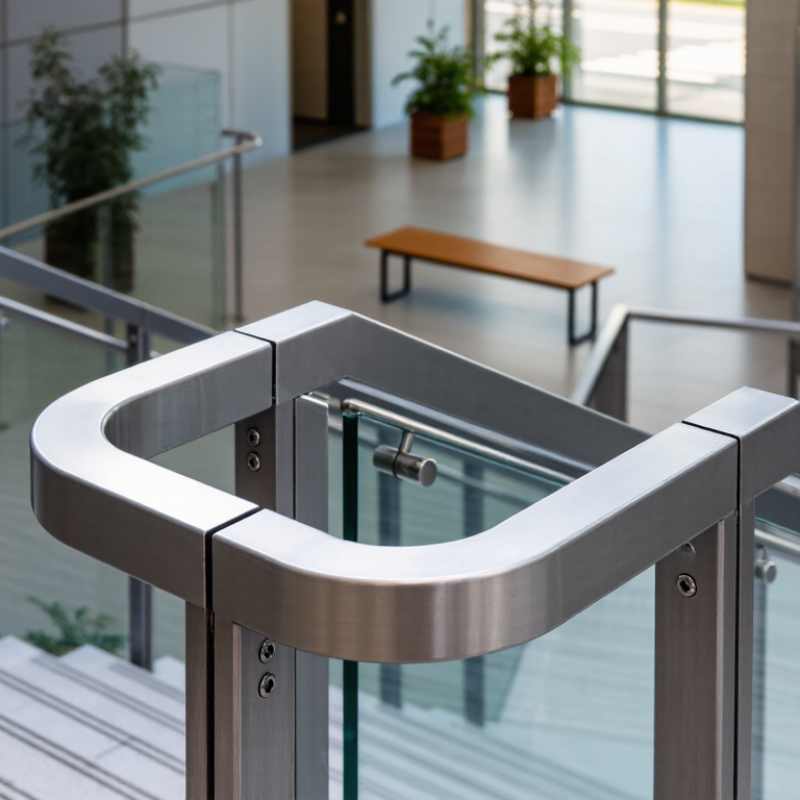
The aluminum handrail industry serves homes, public buildings, factories, balconies, stairways, and transport facilities. Manufacturers may supply standard rails, modular systems, or project-specific assemblies. Their work often includes cutting, drilling, welding, surface treatment, packaging, and technical support.
Global buyers should examine alloy selection and wall thickness carefully. These details affect strength, weight, and long-term performance. Corrosion resistance matters near coastlines, swimming pools, and humid industrial sites. Powder coating, anodizing, and surface preparation require clear process controls. Ask for test reports, load data, dimensional drawings, and material certificates. Good documentation reduces installation errors.
Look closely at compliance with applicable building codes and project specifications. A capable supplier can explain fixing methods, anchor spacing, tolerances, and maintenance needs. Production capacity also matters, but large output does not guarantee consistent quality. Review sample pieces, inspection records, packaging methods, and delivery history. Small details count. A scratched corner can create site delays and extra costs. Warranty terms should state coverage, exclusions, and response procedures. Communication quality deserves attention, especially across languages and time zones.
No evaluation is flawless. Product samples may not reflect every production batch. Factory claims also need independent checking when projects carry serious safety responsibilities. The strongest comparison combines technical evidence, practical experience, transparent pricing, and realistic lead times.
International buyers need more than attractive product photos. The top ten aluminum handrail manufacturers should show proven export experience, stable production, and clear technical documentation. Their systems commonly use 6063-T5 or comparable architectural aluminum alloys. Details matter.
Reliable manufacturers provide drawings, installation instructions, load-test data, and surface-finish samples. Powder coating should resist fading, peeling, and coastal moisture when properly specified. An experienced supplier also explains wall thickness, post spacing, anchor types, and applicable building requirements. These details reduce costly changes during installation.
Factory audits can reveal more than polished websites. Look for automated cutting, controlled welding, traceable batches, and inspection records. Ask how the manufacturer handles damaged cartons, replacement parts, and delayed shipments. Communication quality matters across time zones. Very much.
Some suppliers publish impressive performance claims without identifying test conditions. That deserves a careful question, not immediate trust. Even established exporters may struggle with unusual stair angles, mixed climates, or small custom orders. My own purchasing reviews would treat these weaknesses as part of the comparison. A manufacturer that admits limitations may be more dependable than one promising everything. Consistent samples, responsive engineers, and realistic lead times often separate international specialists from ordinary catalog sellers.
Global buyers often compare the top ten aluminum handrail manufacturers by product range, customization, and production control. Reliable suppliers usually offer wall-mounted rails, balcony systems, stair handrails, guardrails, and modular posts. Their catalogs may include round, square, and oval profiles. Powder-coated, anodized, and wood-effect finishes support different architectural styles. However, a wide catalog does not always mean strong manufacturing capability.
Experienced manufacturers can adjust tube thickness, post spacing, bracket shapes, and connection methods. They should provide clear drawings, material specifications, finish samples, and load-test records. CNC cutting, robotic welding, extrusion control, and in-house inspection can improve consistency. Ask whether custom orders are produced with dedicated tooling or simple manual changes. That difference affects cost, repeatability, and delivery time. Small details matter, such as clean weld transitions and protected packaging around polished surfaces.
Tips: Request a sample corner assembly before placing a large order. Check surface uniformity under direct light. Confirm alloy grades, tolerances, corrosion resistance, and installation guidance. Ask for factory photos or a live production audit when possible. One overlooked issue is replacement support. Can the supplier reproduce a bracket two years later? Maybe not every manufacturer can. Buyers should also review communication speed, inspection records, and export experience. A low price may hide weaker finishing control or uncertain after-sales support. \u10d0\u10e0\u10d7\u10db\u10d0\u10dc\u10d8
Top 10 Aluminum Handrail Manufacturers for Global Buyers
For global buyers, certification is only the starting point. Reliable aluminum handrail manufacturers should provide ISO 9001 quality systems, material certificates, welding records, and traceable inspection reports. Regional requirements may also include EN 1090, ASTM references, or project-specific load testing. Buyers should confirm whether certificates apply to the exact product, alloy, finish, and factory location.
Export experience becomes visible in small details. Strong suppliers use moisture-resistant wrapping, reinforced cartons, clear part labels, and accurate installation drawings. They can explain container loading, customs documents, spare parts, and replacement procedures without vague promises. Before approving production, request coating thickness results and samples from actual production lines. A smooth surface may hide poor pretreatment. That mistake is expensive.
Tips: Ask for recent third-party reports, not scanned certificates alone. Check alloy grades against the purchase order. Request photos of packed goods, including corner protection and pallet labels. Discuss response times for technical questions. Communication matters.
Even experienced manufacturers can miss a detail. A hole position, fastener grade, or drawing revision may cause delays. Careful buyers use a signed approval sheet before production. They also compare test methods, because similar terms can describe different performance levels. Export support should feel practical, documented, and consistent from quotation to installation. Endless paperwork is not quality, either.
Selecting an aluminum handrail supplier requires more than comparing catalog prices. The International Aluminium Institute reported global primary aluminum production of about 70.6 million tonnes in 2023. That scale creates choice, but also quality variation. Ask suppliers to identify alloy grades, temper conditions, wall thickness, and recycled content. Vague material descriptions are warning signs.
Request recent test records for load resistance, coating adhesion, corrosion exposure, and dimensional accuracy. ASTM E985 covers permanent metal railing systems, while ISO 14122-3 addresses access platforms and guardrails. Local building codes may still impose stricter requirements. Confirm who performs testing and whether reports match the proposed profile. A polished certificate is not enough.
Compare suppliers using delivered cost, not unit price. Include tooling, packaging, sea freight, replacement parts, installation guidance, and expected maintenance. The International Organization for Standardization notes that ISO 9001 focuses on quality management systems, not automatic product quality. Visit a production line when possible. Check extrusion marks, powder-coating thickness, corner joints, and protective film by hand. Small details matter.
Lead time deserves practical testing. Request a pilot batch before approving a large order. Measure fit, finish, fastener alignment, and packaging damage. One mistake I have seen is trusting a perfect sample. Production batches can behave differently. Ask for corrective-action records, inspection plans, and a named technical contact. The right partner communicates clearly when specifications change.
Check alloy grade, wall thickness, load data, production controls, and export experience. Product photos are not enough. Review samples and inspection records.
Alloy selection and wall thickness affect strength, weight, and service life. Ask for material certificates and dimensional drawings. Small differences matter.
Request installation drawings, load-test data, material certificates, inspection reports, and fixing details. Confirm anchor spacing and allowable tolerances. Missing paperwork creates confusion.
Ask about pretreatment, coating thickness, anodizing, and powder-coating controls. Coastal air and pool humidity need extra attention. A smooth surface can still hide weak preparation.
No. Certificates should match the exact alloy, finish, product, and factory location. Check recent test reports and production samples. Trust needs evidence.
Review cutting, drilling, welding, batch tracing, and final inspection. Examine scratched corners and packed cartons. Website claims may look better than reality.
Look for moisture-resistant wrapping, reinforced cartons, corner protection, part labels, and pallet markings. Discuss customs documents and replacement parts. Details save time.
Many can, but not all perform consistently. Ask for drawings, tolerances, and a sample assembly. Realistic limitations may signal greater reliability.
Confirm response times, coverage, exclusions, and replacement procedures. Time zones can slow technical decisions. Written approvals reduce preventable mistakes.
No comparison is flawless. Samples may miss batch variation, and test conditions may differ. Independent checking remains sensible for safety-critical projects.
This guide presents a practical overview of the global Aluminum Handrail manufacturing industry and explains how international buyers can evaluate potential suppliers. It examines the leading manufacturer types serving overseas markets, including their product ranges, material options, finishing technologies, customization capabilities, production capacity, and ability to support large or specialized projects. The discussion also highlights the importance of certifications, quality-control systems, testing procedures, packaging, documentation, and reliable export services.
To select the right partner, buyers should compare suppliers based on product consistency, engineering support, customization flexibility, lead times, communication, order quantities, pricing transparency, and after-sales service. Rather than focusing only on the lowest quotation, purchasers should assess total value, long-term reliability, compliance with project requirements, and the manufacturer’s experience with international shipments. This approach can help buyers identify a dependable Aluminum Handrail supplier that matches their technical, commercial, and logistical expectations.

Qianyu