Why Choose Aluminum Porch Railing for Your Home?

Time:2026-09-24 Author:Charlotte
0%

Choosing the right porch railing affects safety, appearance, maintenance, and everyday comfort. Aluminum Porch Railing offers a practical balance for homeowners who want clean design without constant repainting. Its lightweight structure is easier to handle during installation, while powder-coated finishes help resist fading, moisture, and ordinary outdoor wear.

Mike Holmes, a respected contractor and renovation expert, often says, “Safety is not a feature; it is the foundation of every good renovation.” That idea matters on a porch where children lean, guests pause, and older adults may depend on the railing for support. A properly planned Aluminum Porch Railing system can provide steady hand support, clear sightlines, and a stronger visual connection between the porch and yard.

Details still deserve attention. A railing should feel firm when you grip it. Its posts must align with the porch structure, not merely look attractive from the sidewalk. Local building requirements, spacing rules, surface conditions, and installer recommendations should guide the final design. Professional experience helps identify problems that photographs often hide, such as uneven decking or weak attachment points.

It is not perfect.

Aluminum can scratch, and low-quality coatings may disappoint. Some homeowners may also prefer the warmth of wood. Yet aluminum remains compelling for busy households seeking durability with limited upkeep. This guide will examine its benefits, limitations, design options, maintenance needs, and practical installation considerations before you make a confident choice.
Why Choose Aluminum Porch Railing for Your Home?

What Is Aluminum Porch Railing?

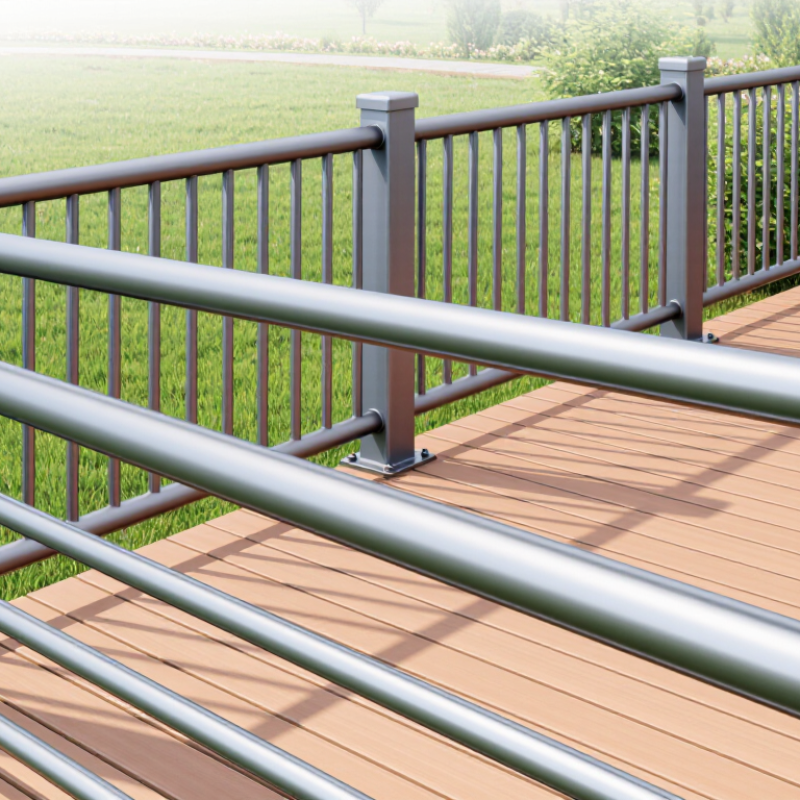
Aluminum porch railing is a protective barrier installed along porch edges, steps, and raised platforms. It usually includes vertical posts, a top rail, and closely spaced balusters. The structure helps prevent accidental falls while defining the porch boundary. Aluminum is lightweight, strong, and naturally resistant to rust. Many systems also use a durable powder-coated finish. This finish adds color and helps protect the surface from rain, sunlight, and everyday contact.

In practical home installations, aluminum railing feels stable without making the porch look heavy. It can suit modern, traditional, and compact outdoor spaces. Unlike wood, it does not require regular staining or sealing. Still, it is not completely maintenance-free. Dirt can collect around post bases, and poorly fitted joints may loosen over time. Professional measurements matter, especially on uneven steps or older porches. Always check local safety requirements before installation.

Tips: Measure twice. Mark every post position clearly. Choose a rail height that feels comfortable and meets local requirements. Wash the railing with mild soap and water once or twice a year. Inspect fasteners after severe weather. A small scratch should not be ignored, because exposed metal may become more vulnerable in harsh coastal air. One detail is easy to miss: drainage around each post. Standing water can affect the surrounding surface, even when the aluminum itself resists corrosion.

How Aluminum Porch Railing Performs in Outdoor Conditions

Why Choose Aluminum Porch Railing for Your Home?

Aluminum porch railing performs well outdoors because it naturally forms a protective oxide layer. This layer slows corrosion after minor surface damage. However, aluminum is not maintenance-free. The NACE IMPACT study estimated global corrosion costs at about $2.5 trillion annually, or 3.4% of global economic output. That figure shows why material selection and installation details matter.

Field inspections often find problems around cut ends, trapped water, and incompatible fasteners. A railing can look sound while moisture remains inside a joint. Finishes meeting FGIA/AAMA 2604 or 2605 specifications receive stronger testing for weathering, adhesion, and color retention. Still, these ratings do not guarantee perfect results in every climate. Coastal salt, winter grit, and constant shade can expose weak preparation sooner. I once underestimated dark finishes; they can reveal chalking and fading more visibly than lighter colors.

Tips: Rinse the railing with clean water every few months, especially near the coast. Use mild soap and a soft cloth. Avoid abrasive pads. Check joints after heavy storms. Keep soil, wet leaves, and sprinklers away from the posts. The International Aluminium Institute reports that recycled aluminum requires roughly 5% of the energy used for primary production, supporting a lower-impact replacement choice. Yet recycling value should not distract from drainage, coating quality, and careful hardware selection.

Key Benefits of Choosing Aluminum Porch Railing

Why Choose Aluminum Porch Railing for Your Home?

Aluminum porch railing offers a practical balance of strength, low maintenance, and visual simplicity. It does not rust like steel, and its protective oxide layer helps resist ordinary outdoor moisture. A quality powder-coated finish can also reduce fading, peeling, and surface wear. Still, it is not flawless. Poor installation can cause loose posts, uneven spacing, or premature coating damage.

Sustainability is another important benefit. According to the International Aluminium Institute, recycling aluminum uses about 5% of the energy required for primary production. The Aluminum Association reports that nearly 75% of all aluminum ever produced remains in use today. These figures support aluminum’s long service potential. In practice, homeowners should check wall thickness, fastener quality, and drainage around each post. A lighter railing can be easier to handle, but lightweight does not automatically mean weak. Local building requirements still control height, openings, and load resistance.

Tips: Measure the porch twice before ordering. Keep posts plumb during installation. Use compatible fasteners to reduce galvanic corrosion. Wash the railing with mild soap and water each season. Inspect joints after severe storms. A small mistake matters. A professional review is worthwhile when stairs, elevated decks, or unusual surfaces are involved.

Why Choose Aluminum Porch Railing for Your Home? - Key Benefits of Choosing Aluminum Porch Railing

Evaluation Dimension Typical Aluminum Porch Railing Characteristics Practical Benefit for Homeowners Important Consideration
Material Weight Aluminum has a density of approximately 2.70 g/cm³, compared with about 7.85 g/cm³ for carbon steel. Lighter components are generally easier to handle, transport, and install. The finished railing still needs properly designed posts, fasteners, and structural connections.
Corrosion Resistance Aluminum naturally forms a thin, protective oxide layer when exposed to air. It is well suited to outdoor porches and can perform effectively in humid or coastal environments when correctly finished. Salt, standing water, dissimilar metals, and damaged finishes can still contribute to corrosion; compatible fasteners are important.
Maintenance Requirement Routine care usually consists of washing with mild soap and water and inspecting connections. Less frequent repainting and reduced upkeep can save time over the service life of the railing. Abrasive cleaners, strong acids, and harsh alkaline products should generally be avoided.
Finish Options Common finishes include anodizing and factory-applied powder coating in a range of colors and textures. Homeowners can coordinate the railing with exterior trim, siding, doors, and architectural style. Color retention depends on coating quality, preparation, exposure, and local weather conditions.
Durability Aluminum does not rot and is not vulnerable to insect damage in the same way as wood. It can provide a long-lasting exterior railing solution with fewer material-related repairs. Impact damage, loose fasteners, and coating wear should be repaired promptly.
Design Flexibility Available configurations may include pickets, horizontal rails, glass infill, curved sections, gates, and customized profiles. Different layouts can support traditional, contemporary, minimalist, or transitional home designs. Spacing, height, and openings must meet applicable building and safety requirements.
Safety and Visibility Slim aluminum profiles can provide a protective boundary while maintaining visibility and natural light. Open sightlines can help preserve views from porches, decks, and elevated entrances. Final railing height, baluster spacing, load resistance, and handrail requirements vary by local code.
Environmental Profile Aluminum can be recycled repeatedly without losing its fundamental material properties. Recyclability can support material recovery at the end of the railing’s useful life. Environmental impact also depends on production methods, recycled content, transportation, and product longevity.
Thermal Movement Aluminum has a thermal expansion coefficient of approximately 23.1 µm/m·°C. Properly planned joints and mounting details help the railing accommodate outdoor temperature changes. Installers should allow for movement in long runs and follow the system’s engineering instructions.
Best Use Cases Suitable for many porches, decks, balconies, steps, ramps, and exterior walkways. A versatile option for homeowners seeking a low-maintenance outdoor railing with a clean appearance. Confirm structural suitability, local permits, and code compliance before installation.

Note: Performance varies according to alloy, profile design, coating system, installation quality, climate, and maintenance practices. Always verify local building and safety requirements.

Styles, Finishes, and Design Options for Different Homes

Why Choose Aluminum Porch Railing for Your Home?

Aluminum porch railing offers flexible styling without the visual weight of steel or wood. The NAHB’s 2024 What Home Buyers Really Want report identifies patios and outdoor living areas as highly desirable features. That demand makes coordinated porch design increasingly practical. Traditional homes suit square pickets, turned details, and warm bronze finishes. Modern homes often look sharper with slim posts, horizontal rails, or cable infill. Glass panels can preserve a view, but they show fingerprints and require frequent cleaning.

Finish selection changes the railing’s character. Matte black creates strong contrast against pale siding. White blends quietly with coastal or farmhouse exteriors. Wood-look coatings add warmth, although they may appear artificial up close. Anodized surfaces can provide a clean metallic appearance, while architectural powder coatings offer broader color choices. The American Architectural Manufacturers Association’s coating standards, including AAMA 2603, 2604, and 2605, distinguish performance levels for exterior finishes. Higher-performance coatings usually make more sense in harsh sun or coastal air.

Details matter. Test sample colors beside the actual porch before ordering. I have seen “matching” whites look noticeably different under evening light. Local building rules also matter. The International Residential Code commonly addresses guard height, openings, and structural loading, but local adoption varies. A railing should feel secure, not merely decorative. Some homeowners choose ornate panels, then regret the maintenance. Simpler lines are often easier to clean and easier to repair.

Why Choose Aluminum Porch Railing?

Aluminum porch railing combines low maintenance, corrosion resistance, and flexible design options. Vertical pickets suit traditional and craftsman homes, clean horizontal lines complement contemporary architecture, and glass panels help preserve open views. Common finishes include white, black, bronze, and custom powder-coated colors.

Typical U.S. residential planning references shown in inches: porch or deck guards are commonly at least 36 inches high, stair handrails are typically 34–38 inches high, and guard openings are commonly limited to 4 inches. Local building requirements may vary, so verify dimensions before installation.

How to Choose and Maintain the Right Aluminum Porch Railing

Why Choose Aluminum Porch Railing for Your Home?

How to Choose and Maintain the Right Aluminum Porch Railing

Choosing aluminum porch railing starts with the porch itself. Measure the opening, stair angle, and post spacing before comparing styles. A railing should feel firm, not merely look attractive. Check local building requirements for height, baluster spacing, and load resistance. These details protect children, older adults, and anyone using the steps in wet weather. Choose a corrosion-resistant finish when the porch faces rain, coastal air, or winter salt. Matte surfaces can hide fingerprints, while lighter colors often reveal dirt faster.

Think about daily maintenance before installation. A soft brush, mild soap, and clean water usually remove dust and pollen. Avoid harsh abrasives, since they may dull the protective coating. Inspect the posts and fasteners every few months. Look for movement, loose screws, chipped finish, or white oxidation near joints. Tighten hardware carefully, but do not force damaged threads. Small faults grow.

One practical mistake is ignoring drainage around the post bases. Standing water can stain nearby surfaces and weaken connected materials, even when aluminum resists rust. Keep leaves away from corners and rinse salt deposits after storms. I would also request sample colors outdoors, not under showroom lights. The shade may look different beside brick, stone, or painted wood. Aluminum is low maintenance, not maintenance-free. A yearly inspection remains worthwhile, especially after strong winds or freezing temperatures.

FAQS

What is aluminum porch railing?

It is a protective barrier along porch edges, steps, and raised platforms. It usually includes posts, a top rail, and vertical balusters. Light, but steady.

Why is aluminum suitable for outdoor porches?

Aluminum resists rust and naturally forms a protective surface layer. It handles rain, sunlight, and everyday contact well. Coastal air still demands care.

Does aluminum porch railing require regular maintenance?

It needs less care than wood, but it is not maintenance-free. Wash it with mild soap and water once or twice yearly. Check it after severe weather.

How should I clean aluminum porch railing?

Use clean water, mild soap, and a soft cloth or brush. Avoid abrasive pads because they can dull the coating. Rinse away salt and pollen.

What should I check before installation?

Measure the opening, stair angle, and post spacing carefully. Confirm required height, baluster spacing, and load resistance locally. Measure twice.

How can drainage affect porch railing?

Standing water around post bases can stain nearby surfaces and weaken connected materials. Keep leaves, soil, and sprinklers away from the posts. This detail is easy to miss.

Which finish and color should I choose?

Choose a durable finish suited to rain, salt air, or winter grit. Matte surfaces can hide fingerprints, while lighter colors show dirt sooner. Test samples outdoors.

What problems can appear over time?

Watch for loose screws, moving posts, chipped coating, and white oxidation near joints. Trapped moisture may hide inside connections. Small faults grow.

Is aluminum porch railing completely corrosion-proof?

No material performs perfectly in every climate. Aluminum usually resists corrosion, but scratches, cut ends, and incompatible hardware need attention. I may underestimate harsh weather without regular inspections.

Conclusion

Aluminum Porch Railing is a practical and attractive choice for improving the safety, comfort, and appearance of an outdoor porch. Made from lightweight yet sturdy aluminum, it creates a reliable barrier while supporting an open, welcoming atmosphere. Its resistance to rust, moisture, sunlight, and changing temperatures makes it well suited to outdoor conditions, with less concern about warping, cracking, or frequent repainting than some traditional materials.

Homeowners can choose from various railing profiles, colors, textures, and decorative details to complement modern, traditional, coastal, or rustic architecture. When selecting the right system, consider porch dimensions, local safety requirements, desired privacy, maintenance expectations, and overall home style. Routine care is simple: inspect connections periodically, remove dirt with mild soap and water, and address surface damage promptly. With thoughtful selection and basic maintenance, Aluminum Porch Railing can provide lasting function and visual appeal.


Charlotte

Charlotte

Charlotte is a seasoned marketing professional with a deep understanding of the company's portfolio and a passion for elevating its presence in the market. With a keen eye for detail and a commitment to excellence, she ensures that our professional blog is regularly updated with insightful articles......