Technical Architecture, Metallurgy Standards, Global Sourcing Engineering, and High-Performance Electrochemical Surface Finishing
Direct supply solutions for global engineering, architectural projects, and industrial manufacturing.
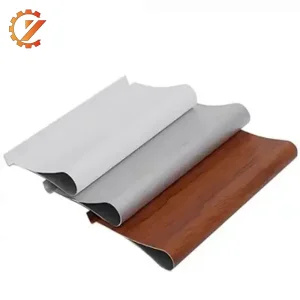
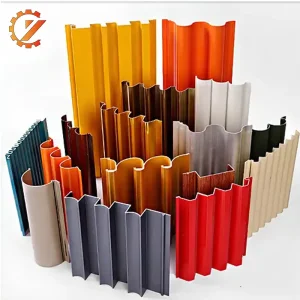
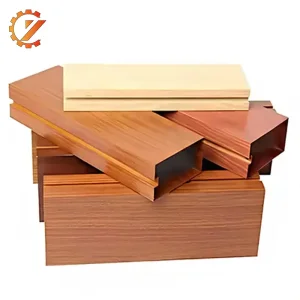
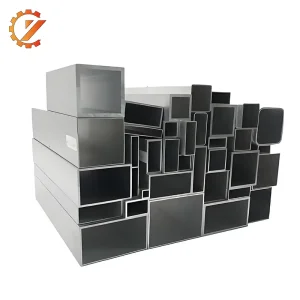
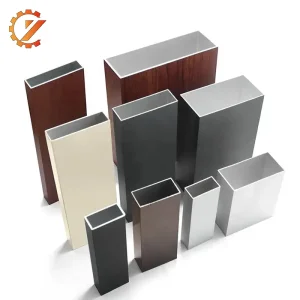
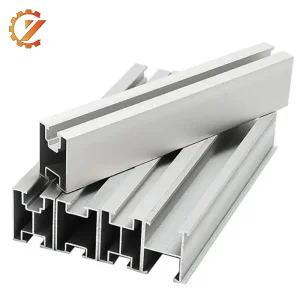
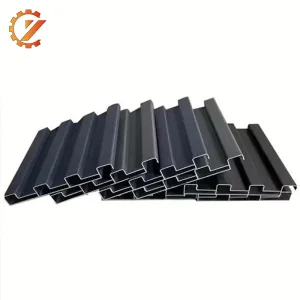
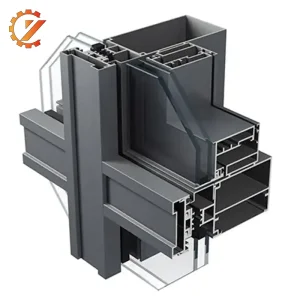
Analyzing global market dynamics, electrochemical passivation chemistry, and metallurgical advances in aluminum extrusion.
In modern industrial manufacturing and architectural design, the global demand for Custom Anodized Aluminum Pipe has transitioned from basic structural conduits to highly optimized, multi-functional engineered components. Driven by strict global carbon neutrality targets, industrial OEMs and architectural firms are actively substituting legacy copper, steel, and unpassivated metals with advanced extruded aluminum alloys. Extruded aluminum pipes offer an unparalleled strength-to-weight ratio, high thermal conductivities, complete recyclability, and exceptional environmental stability when treated with electrolytic anodization.
From a global market dynamics viewpoint, procurement departments across North America, Europe, and the Asia-Pacific region are navigating aggressive supply chain challenges. High-tech sectors—including EV battery liquid cooling systems, solar PV frame structures, marine infrastructure, medical equipment, and high-rise unitized curtain walls—require custom seamless and structural aluminum pipes that withstand extreme atmospheric corrosion, mechanical wear, and chemical exposure. Selecting qualified Custom Anodized Aluminum Pipe Factories & Exporter partners is no longer merely a transactional purchasing decision; it is a strategic imperative that directly governs project risk, product life cycles, and total cost of ownership (TCO).
Anodizing is not an applied surface coating like conventional paint or powder; it is an electrochemical conversion process that converts the base aluminum metal surface into a durable, corrosion-resistant, anodic oxide structure. When manufacturing custom anodized aluminum pipes, controlled electrolysis takes place in an acidic electrolyte bath (typically sulfuric acid, H2SO4). The aluminum pipe serves as the anode, while an inert material acts as the cathode.
The chemical reaction causes oxygen ions to be released from the electrolyte to combine with aluminum atoms at the surface, forming a dense micro-porous Aluminum Oxide (Al2O3) layer integrated with the underlying substrate. This integrated oxide structure eliminates peeling, flaking, or blistering under thermal expansion and mechanical flexing.
| Anodizing Type Standard | Typical Film Thickness | Vickers Hardness (HV) | Primary Industrial Applications | Corrosion Resistance |
|---|---|---|---|---|
| Type II (Sulfuric Acid Anodize) | 10 – 25 µm | 200 – 300 HV | Architectural profiles, decorative trim, consumer electronics, handrails | Excellent (ASTM B117 > 1,000 hrs) |
| Type III (Hard Coat Anodize) | 25 – 50+ µm | 400 – 600 HV | Aerospace hydraulic lines, automotive sleeves, industrial machinery, marine pipes | Extreme (ASTM B117 > 3,000 hrs) |
| Chromic Acid Anodize (Type I) | 2 – 5 µm | 150 – 250 HV | Aerospace structural tubing, high-flexure flight control components | Superior fatigue resistance |
The porous nature of the unsealed anodic layer allows for precise electrolytic dyeing (black, gold, bronze, wood-grain base, vibrant custom hues) before undergoing hot-water or nickel-acetate sealing kinetics. Proper sealing hydrates the porous aluminum oxide into crystalline pseudoboehmite, permanently trapping pigments and sealing the micro-pores against corrosive contaminants.
Engineering procurement managers faced with sourcing custom aluminum pipes globally evaluate key technical metrics to prevent field failures. Substandard anodization leads to premature micro-cracking, color fading under UV exposure, galvanic corrosion, and mechanical yield failures. Sourcing protocols focus heavily on five crucial manufacturing metrics:
Strict dimensional control adhering to ISO 2768-m or EN 755 standards ensures that custom round, square, or complex grooved pipes fit flawlessly during automated assembly or CNC post-machining.
Utilizing spectrophotometric color matching (Delta E < 1.0) across large volume extrusion lots prevents visual mismatching in architectural curtain walls, pergolas, and high-end consumer hardware.
Verification of film density through eddy-current depth gauges and Vickers hardness testing ensures the pipe withstands high friction, abrasive environments, and mechanical stresses.
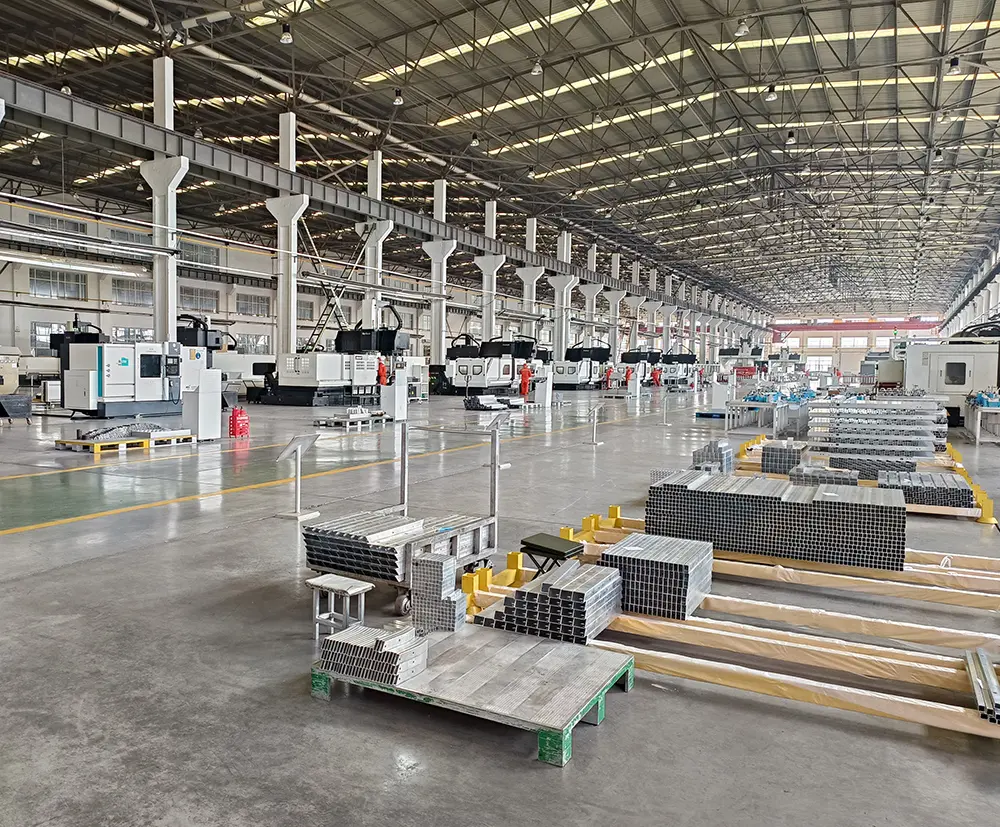
China's industrial ecosystem has evolved into the world's most robust manufacturing hub for advanced aluminum extrusions. Modern Chinese facilities operate under integrated Industry 4.0 smart manufacturing paradigms. By uniting raw alloy smelting, billet homogenizing, high-speed automated extrusion presses (ranging from 600 to 10,000 metric tons), multi-axis CNC machining, and automated vertical anodizing lines under a single Quality Management System (QMS), lead times are reduced dramatically.
This vertical integration provides global enterprise buyers with unprecedented supply chain agility. Factories can execute rapid custom mold design within 48 hours, produce functional samples within 7 days, and scale to multi-ton container shipments seamlessly while maintaining strict adherence to ISO 9001:2015, ISO 14001, and CE certifications.
Custom anodized aluminum piping systems serve critical structural and functional roles in diverse engineering sectors across the world:
19 Years of Engineering Excellence & Global Manufacturing Leadership
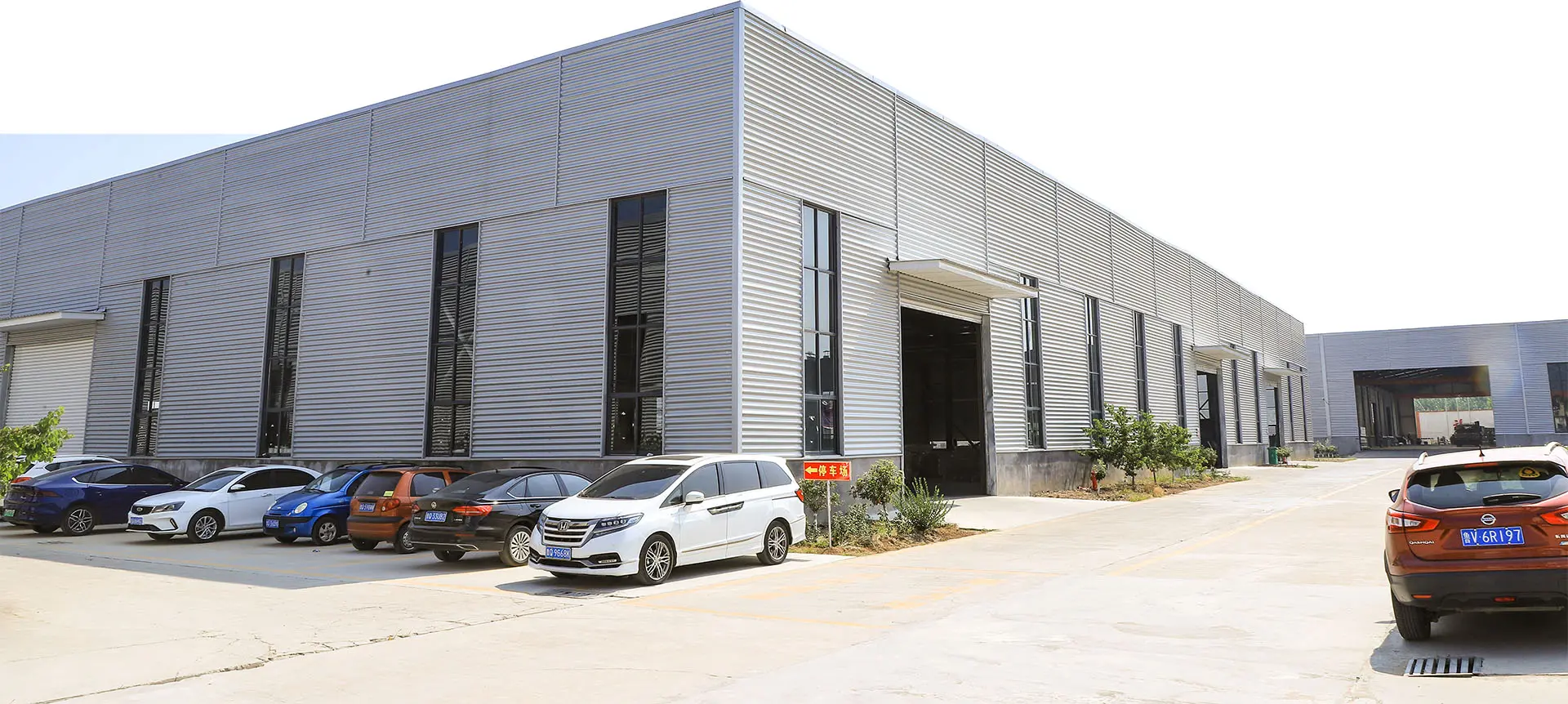
Qianyu Aluminum Industry boasts 19 years of professional experience in the production and manufacturing of aluminum materials. It is a leading manufacturer dedicated to aluminum pipes, architectural profiles, aluminum fences, and home decoration building materials. Our team is composed of a group of passionate engineers, designers, and marketing experts equipped with professional technical knowledge, committed to providing global enterprise clients with innovative, high-quality aluminum solutions.
Leveraging over a decade of industry expertise, we have established a reliable and trustworthy reputation across international markets. Our customers count on us to deliver precision products on schedule while providing comprehensive engineering support and after-sales service.
Delivering high-value OEM/ODM services backed by strict quality assurance systems.
Manufactured with premium aluminum alloys (6000 & 7000 series) subject to strict raw material spectral analysis and inline ultrasonic testing to exceed international standards.
Full CAD/CAM integration with over 50,000 active extrusion die molds. We offer bespoke customization for round, square, grooved, and special-shaped hollow profiles.
Long-term strategic logistics partnerships, optimized packaging (protective film, interleave paper, wooden crates), and efficient port clearance ensure on-time delivery globally.
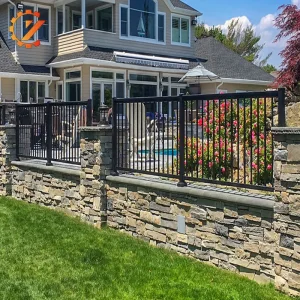
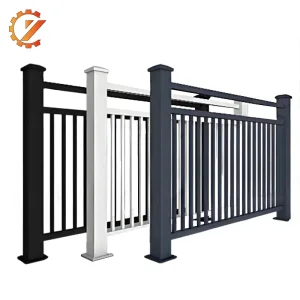
Our manufacturing capability extends across specialized aluminum solutions optimized for residential, commercial, and heavy industrial environments:
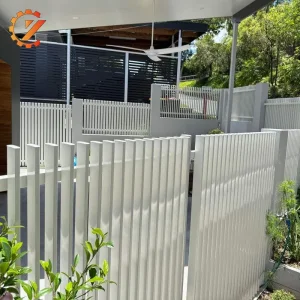
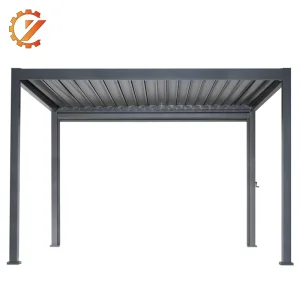
Crafted from high-grade aluminum alloys (6xxx series), our structural systems combine tensile strength (200–350 MPa) with a weight 60% lighter than traditional steel. Supporting spans up to 12 meters, they reduce foundation loads while featuring UV-resistant fluorocarbon or hard-coat anodized finishes suitable for coastal installations.
Utilizing high-pressure die casting and precision extrusion, our aluminum flooring supports up to 1,500 kg per square meter. Designed for data centers, cleanrooms, and industrial power plants, they feature anti-static properties and superior corrosion resistance under continuous heavy traffic.
Expert engineering answers to common procurement, design, and electrochemical surface treatment questions.
Type II anodizing is performed in a sulfuric acid bath at room temperature, producing oxide layer thicknesses between 10 to 25 microns. It is ideal for architectural, decorative, and moderate corrosion environments. Type III Hardcoat anodizing takes place at lower temperatures with higher current densities, creating a dense oxide layer from 25 to over 50 microns with hardness levels up to 600 HV, designed for heavy industrial wear, chemical exposure, and high-friction applications.
Alloy 6063 is the premier choice for architectural and decorative custom pipes due to its exceptional surface finish capabilities, excellent extrudability, and uniform anodizing reaction. For structural applications requiring higher tensile yield strength, Alloy 6061-T6 is preferred. For extreme mechanical loads or aerospace requirements, 7075 or 2024 alloys are utilized, though they require specialized anodizing parameters.
Top-tier exporters control batch consistency by maintaining strict electrolyte chemical balances, automated temperature controls (±1°C), precise current density monitoring, and computerized immersion timing during the electrolytic dyeing process. Digital spectrophotometers analyze color values using the CIE L*a*b* system to ensure a Delta E variance under 1.0 across production runs.
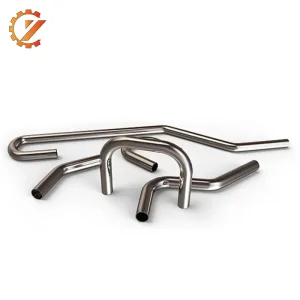
Because anodic oxide coatings are ceramic and unyielding, severe bending post-anodizing will cause micro-crazing (hairline fracturing) on the outer bend radius. While micro-crazing usually does not peel due to the integrated molecular structure, it can compromise visual aesthetics and localized corrosion resistance. It is highly recommended to perform all CNC bending, punching, and cutting prior to anodization.
Utilizing high-precision multi-axis CNC machines and automated extrusion sizing dies, our factories achieve outer diameter (OD) and inner diameter (ID) tolerances down to ±0.05 mm, wall thickness consistency within ±0.03 mm, and straightness values under 0.5 mm per meter, adhering strictly to ISO 2768-m standards.
For custom profile shapes, die mold engineering and CAD verification require 24 to 48 hours. Mold fabrication takes 7 to 10 days, after which initial physical samples are extruded, anodized, and shipped via express courier for customer verification and laboratory testing.
Explore our complete range of architectural, structural, and custom CNC aluminum profile solutions.
 Qianyu