Precision-extruded aluminum windbreak barriers, structurally certified cladding panels, and customized building profiles designed for Central European wind loads and urban microclimates.
Analysis of structural aerodynamic requirements, DIN EN 1991 wind action standards, and sustainable architectural integration across the Metropolitan Berlin-Brandenburg Region.
The Berlin metropolitan region, situated within the North German Plain, experiences distinct aerodynamic pressure dynamics. With rapid urban infill development—from high-density zones like Alexanderplatz and Europacity to expansive commercial hubs along the Mediaspree corridor—architects and structural engineers are increasingly confronted with the Venturi Effect and localized wind shear. Unmitigated wind speed acceleration around mid-rise and high-rise facades degrades urban livability, creates hazardous pedestrian down-drafts, and induces structural fatigue on exterior enclosures.
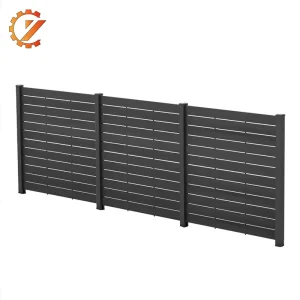
Standard architectural fencing frequently fails under Berlin's seasonal weather extremes, which range from severe sub-zero winter blasts laden with moisture and de-icing salts to high-velocity summer storm fronts. Implementing high-performance Windbreak Aluminum Alloy Fence systems engineered from high-tensile 6000-series aluminum alloys (such as EN AW-6060 T6 and EN AW-6063 T6) provides an essential aerodynamic solution. Rather than creating solid, impermeable walls that induce extreme downstream negative pressure vortices, engineered aluminum windbreaks dissipate wind energy through calculated aerodynamic porosity.
Commercial developments, municipal infrastructure projects, and luxury residential complexes in Berlin must strictly comply with the Bauordnung für Berlin (BauO Bln) alongside national German standards (DIN) and European Eurocodes. Specifically, structural wind loading must be calculated according to DIN EN 1991-1-4 (Eurocode 1: Actions on structures - Wind actions) for German Wind Zone 1 and Wind Zone 2 regions.
As an established global manufacturer and direct exporter to Germany, Qianyu Aluminum engineers custom aluminum windbreaks certified under DIN EN 1090-3 (Execution of aluminum structures) and finished according to Qualicoat Class 2 / Qualanod parameters. Our systems provide validated load distribution, preventing structural failure while maintaining compliance with local urban design guidelines, noise attenuation recommendations (VDI 3783), and sustainability frameworks mandated by the German Sustainable Building Council (DGNB).
Technical whitepaper specifications detailing material composition, mechanical properties, and surface longevity under Central European weather conditions.
| Technical Parameter | Qianyu Standard Spec (EN AW-6060 T6) | Heavy-Duty Commercial Spec (EN AW-6063 T6) | Berlin Regulatory Benchmark (DIN EN 1991-1-4) |
|---|---|---|---|
| Yield Strength ($R_{p0.2}$) | ≥ 160 MPa | ≥ 200 MPa | Validated for Wind Zone 1-3 Structural Safety |
| Tensile Strength ($R_m$) | ≥ 215 MPa | ≥ 245 MPa | Complies with Eurocode 9 structural design rules |
| Surface Treatment Thickness | Qualicoat Powder: 60 - 80 µm | Qualanod Anodized: 20 - 25 µm (AA25) | ISO 9227 Neutral Salt Spray > 3,000 hours |
| Wind Speed Mitigation Efficiency | 50% Velocity Reduction @ Porosity 40% | 65% Velocity Reduction @ Porosity 30% | Prevents Micro-Vortex Eddies in Rooftop Zones |
| Recyclability & Environmental Impact | 100% Recyclable Alloy Base | Low Embodied Carbon Primary Ingot | Supports DGNB Gold/Platinum & LEED v4 Points |
Atmospheric exposure in Metropolitan Berlin presents dual environmental stresses: aggressive urban chemical air pollutants combined with high humidity and heavy winter de-icing chemicals (sodium chloride and calcium chloride sprays). Standard galvanized steel or unpassivated aluminum fences rapidly suffer from pitting corrosion, galvanic degradation, and powder film delamination.
Qianyu Aluminum applies a multi-stage surface pretreatment including alkaline degreasing, acid etching, and a chrome-free titanium/zirconium passivating conversion layer. Subsequent coating options include high-durability architectural polyester powder coatings meeting Qualicoat Class 2 (Florida 3-Year Weathering Exposure Certified) or hard-coat anodizing conforming to DIN EN ISO 7599. This guarantees exceptional color retention, UV resistance, and corrosion stability exceeding 25 years of service life without structural degradation.
Tailored aluminum windbreak fence engineering across municipal, commercial, industrial, and luxury residential sectors.
Attenuating violent high-altitude wind shear on commercial rooftops and luxury hotel terraces. Custom modular louvers protect guest comfort while preserving panoramic skyline views and adhering to strict fire safety load requirements.
Protecting outdoor inventory loading bays, high-bay automated warehouse perimeters, and photovoltaic power installations from high-speed crosswinds along the Berlin-Brandenburg industrial freight belt.
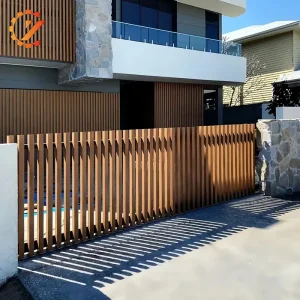
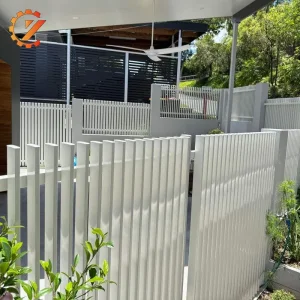
Providing sleek, contemporary privacy fencing with acoustic dampening properties for high-end residential villas. Designed to withstand wind forces while blending with classic and modern Berlin architecture.
With 19 years of dedicated manufacturing expertise in structural aluminum extrusions, Qianyu Aluminum operates a state-of-the-art production facility equipped with automated extrusion presses up to 2,500 metric tons, vertical powder coating lines, and precision CNC profile processing centers.
Our engineering team collaborates directly with European architects, general contractors, and structural procurement teams. From rapid CAD/BIM model generation to specialized custom extrusion die development (holding over 50,000 active mold patterns), we guarantee strict dimensional tolerances ($\pm 0.15\text{ mm}$) and seamless compliance with German import and structural safety standards.
Next-generation aluminum alloy innovation for resilient, energy-efficient, and digitalized urban facades.
Supplying native Revit and IFC 3D parametric models embedded with mechanical strength data, facilitating zero-clash architectural planning for major European public infrastructure.
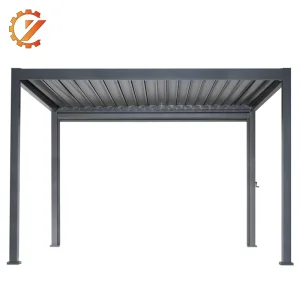
Developing automated pitch-adjusting louver systems connected to real-time wind sensors that dynamically adjust airflow porosity during sudden storm events in high-rise corridors.
Transitioning production to 100% renewable hydro-powered primary aluminum and recycled scrap alloys, reducing total embodied carbon footprint below $2.0\text{ kg CO}_2/\text{kg Al}$.
Clear, whitepaper-backed answers for structural engineers, procurement officers, and architectural planners in Germany.
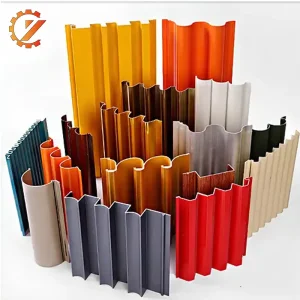
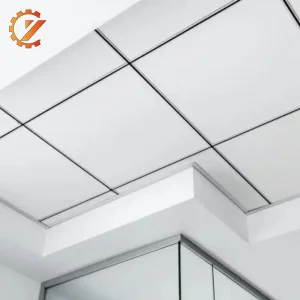
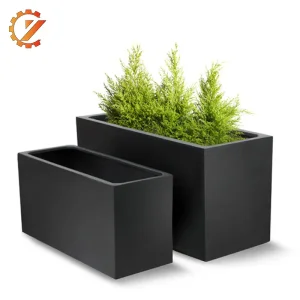
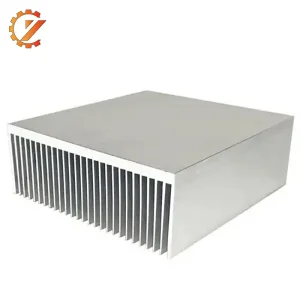
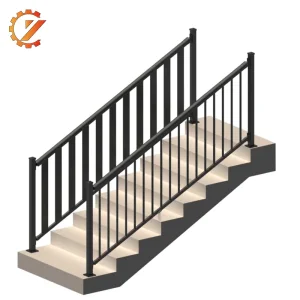
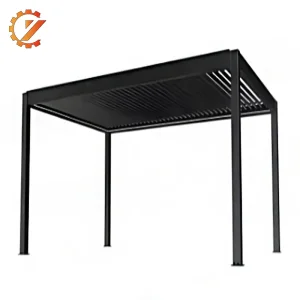
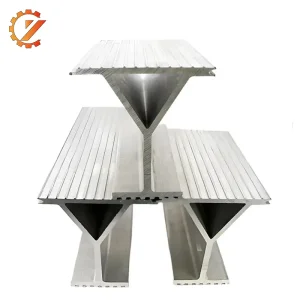
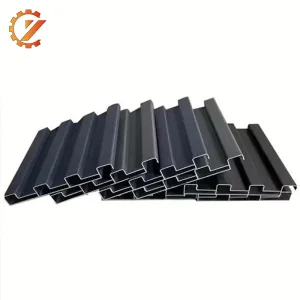
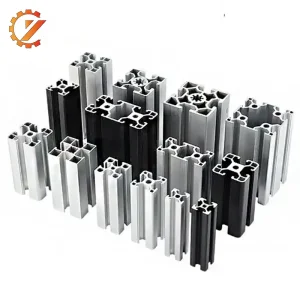
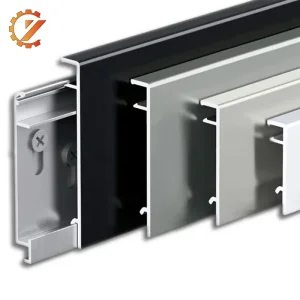
Comprehensive catalog of specialized aluminum profiles, architectural louvers, decorative elements, and structural cladding systems available for direct export to the German market.
Contact our senior structural aluminum engineering desk today for CAD design support, aerodynamic load evaluations, sample requests, and competitive direct factory pricing.
Technical consultations responded to within 24 hours. Full EN 10204 3.1 certification provided.
 Qianyu